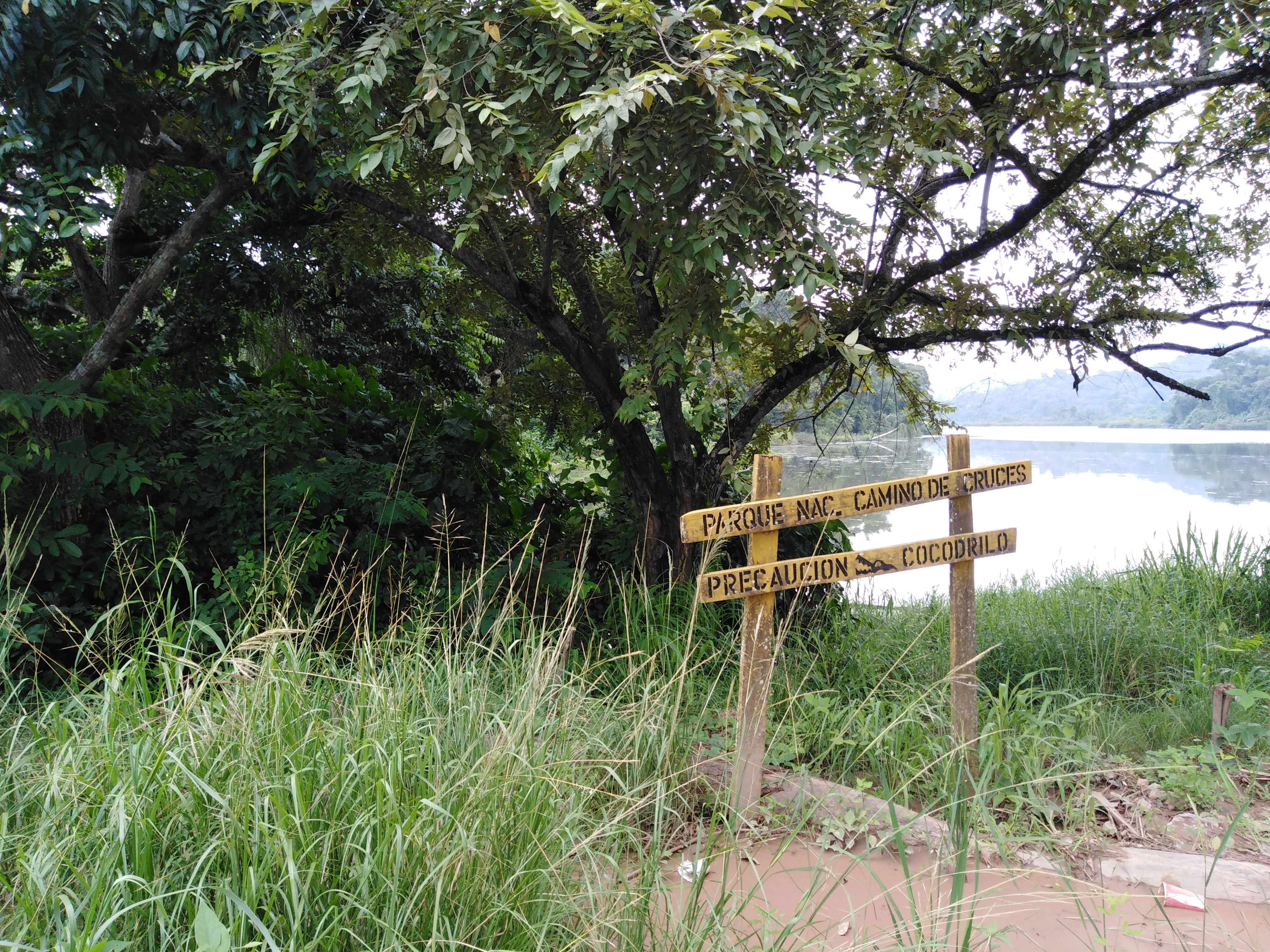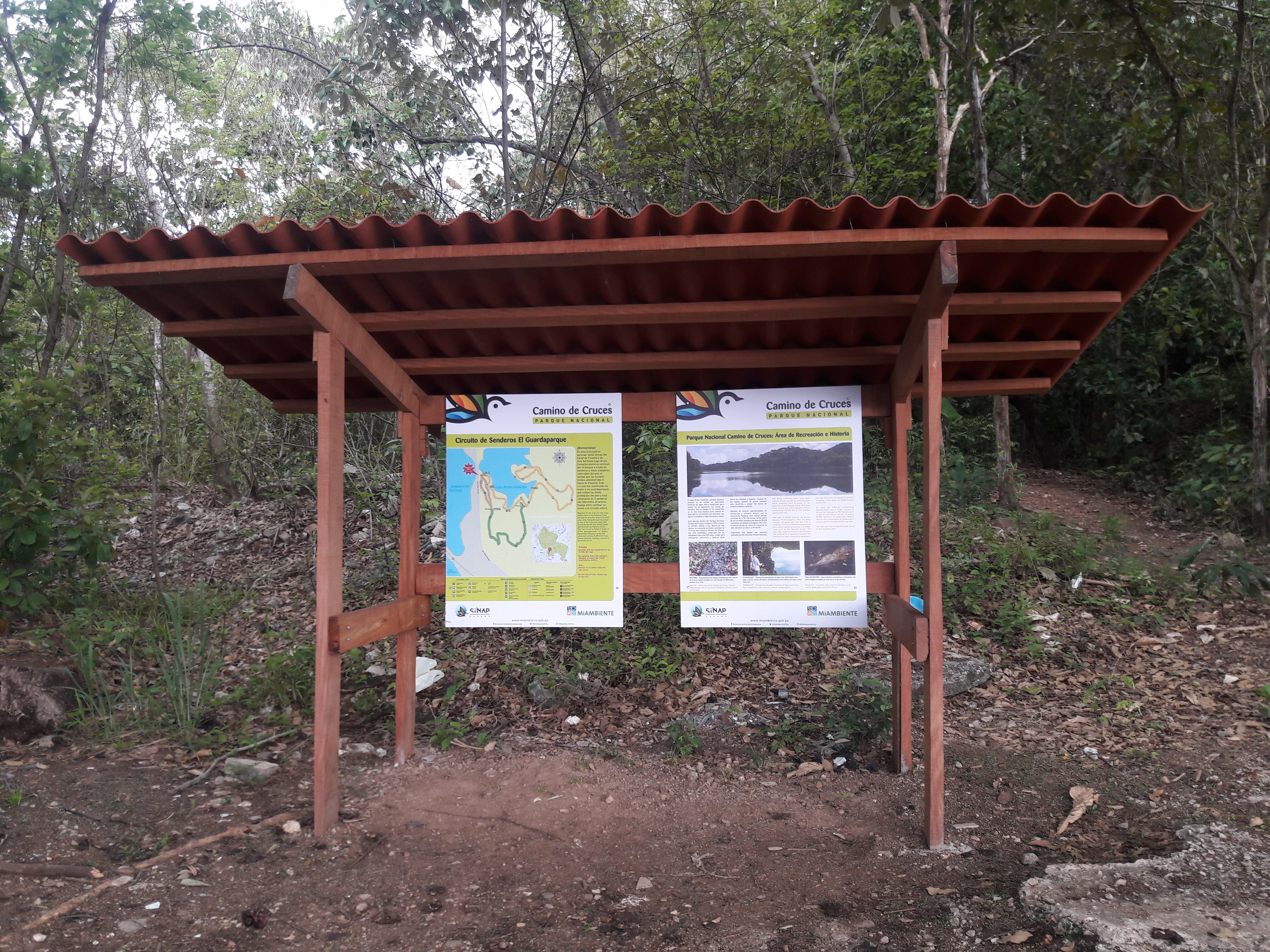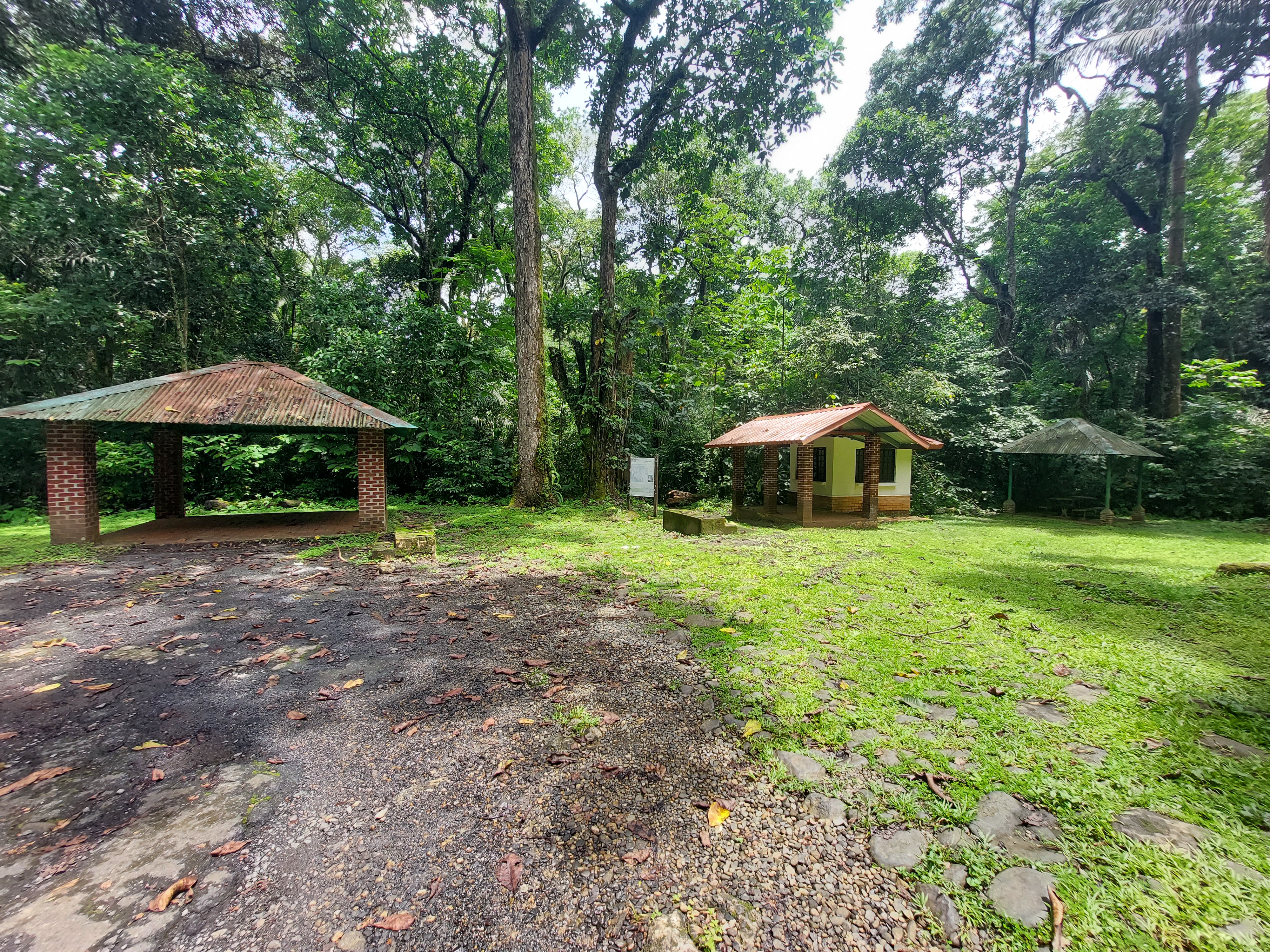
Parque Nacional Camino de Cruces
Parque Nacional Camino de Cruces - Main view in Panamá, Provincia de Panamá, Panama

Parque Nacional Camino de Cruces

Camino de Cruces National Park · Panamá, Provincia de Panamá, Panama

4.5(5,786)
National Park
View Location

Explore Parque Nacional Camino de Cruces

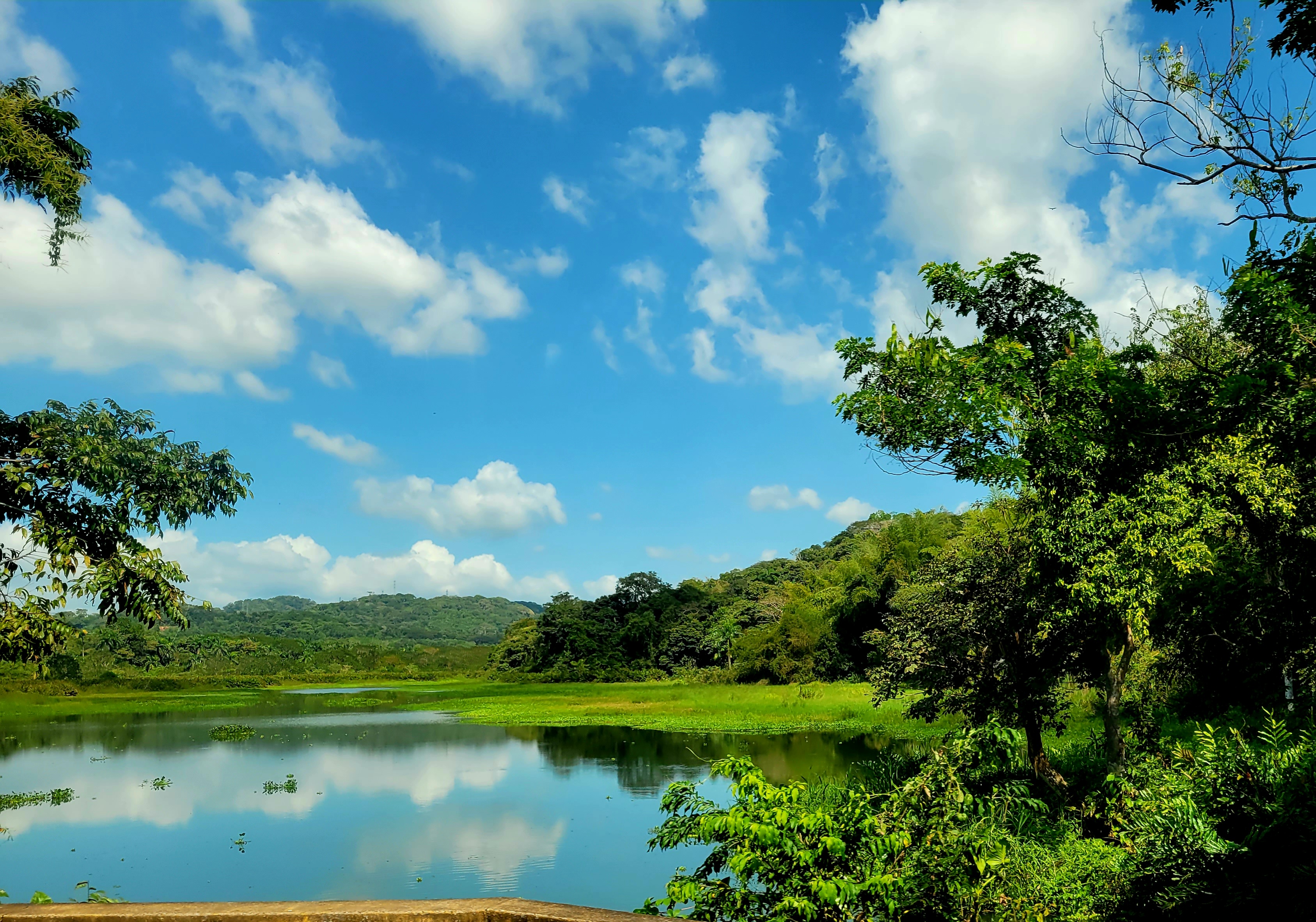
Welcome to Parque Nacional Camino de Cruces, widely recognized as the central Camino de Cruces. Located in the heart of Panamá, Provincia de Panamá, Panama, this 9,000-acre tropical forest reserve with trails, lush vegetation and abundant wildlife serves as a primary hub for travelers visiting the region.

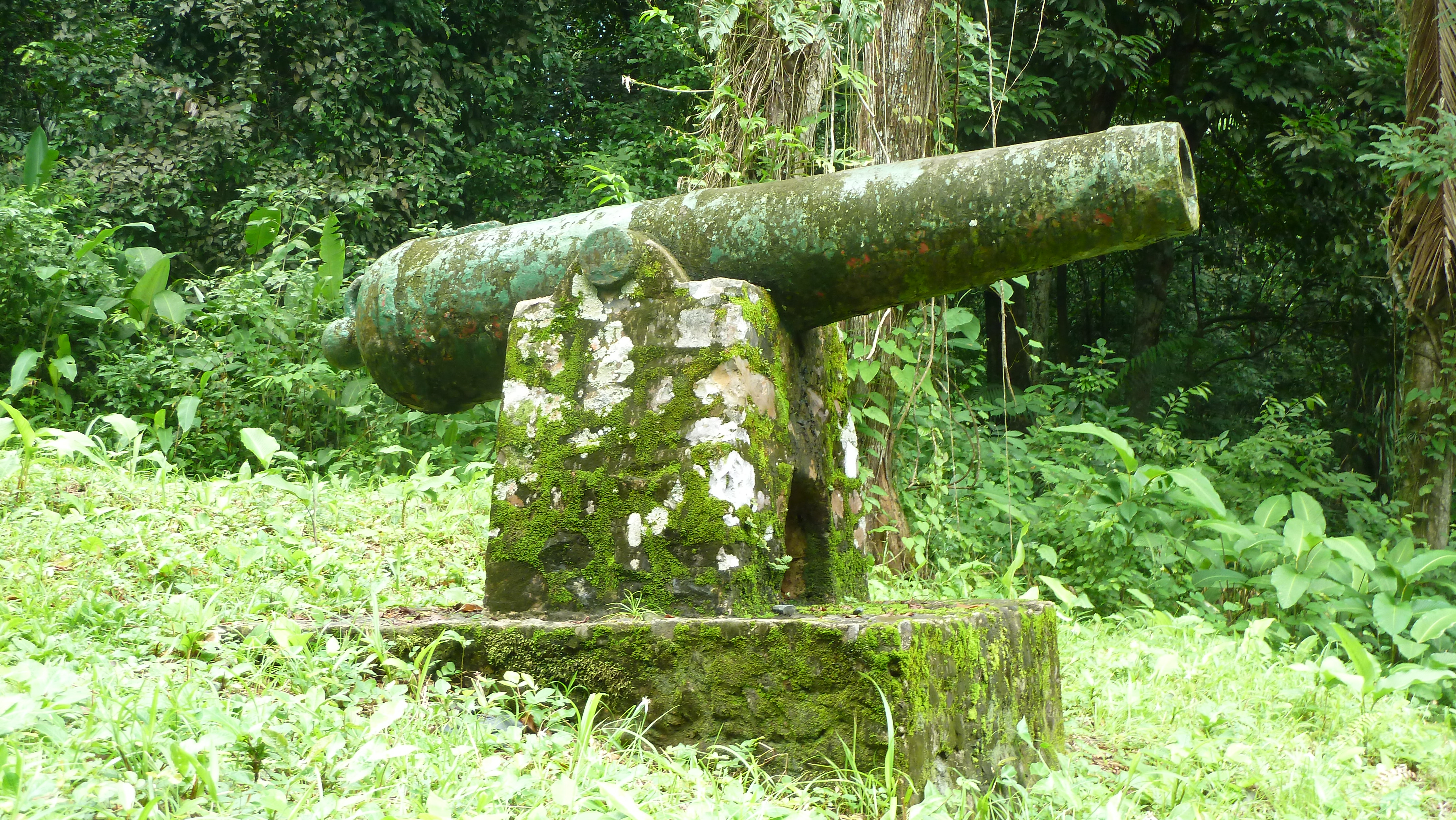
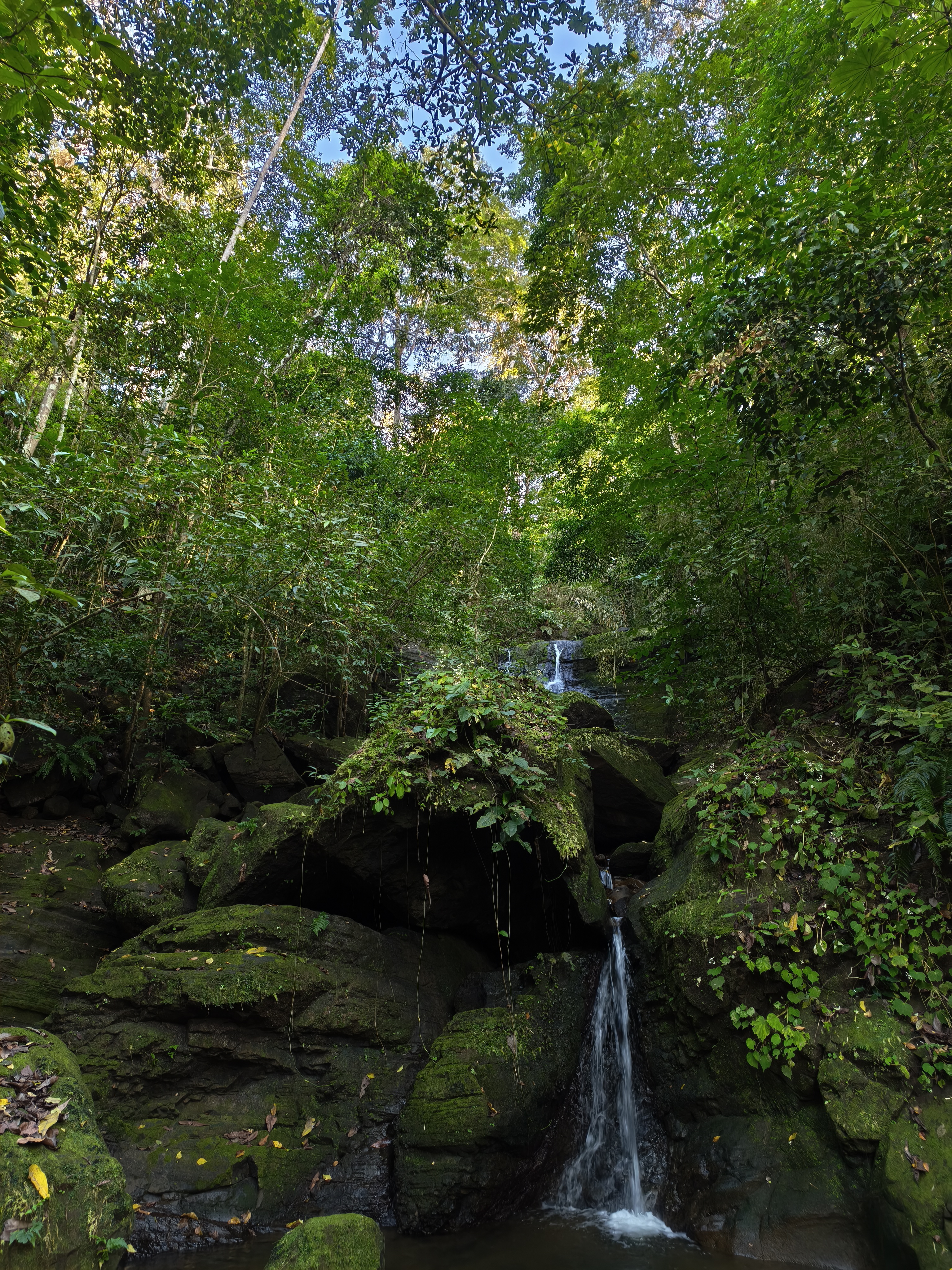
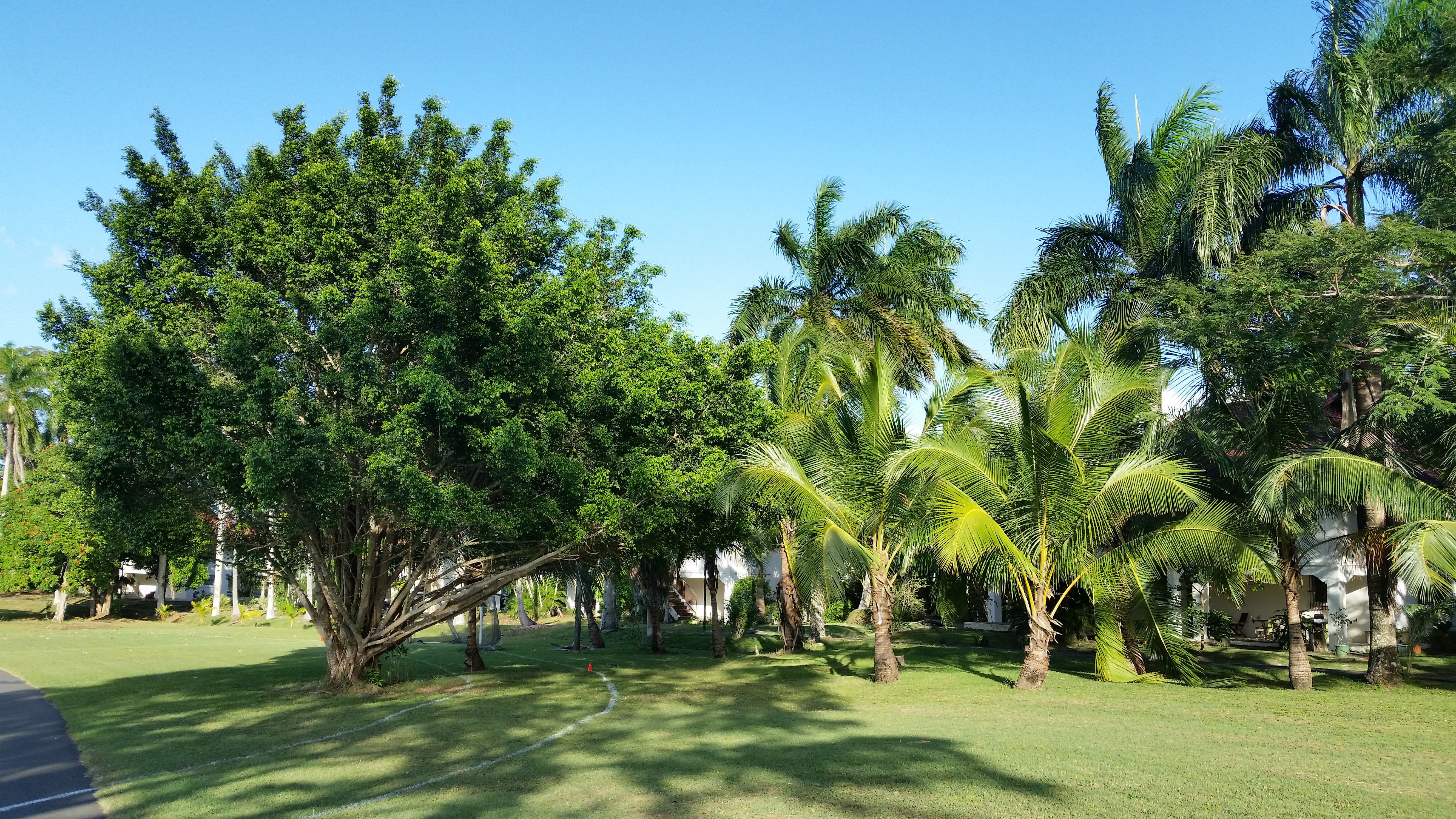
Ready for a rainforest adventure through time? Parque Nacional Camino de Cruces is not just a natural treasure protecting Panama's pristine ecology, but also a "living history museum." Beneath the dense canopy of the tropical rainforest, you will walk on the original 16th-century cobblestone trails laid by the Spanish—centuries ago, countless amounts of gold and silver from South America were transported to the Atlantic along this very path. Accompanied by the calls of howler monkeys in the distance, you can get a close look at sloths, toucans, and blue morpho butterflies fluttering through the trees. This is the perfect intersection of historical ruins and wild nature. Because of the complex rainforest environment and the trail's primitive condition, we strongly recommend wearing professional hiking gear, arriving early in the morning, or hiring an experienced local guide for the safest and most immersive adventure.

Visiting Tips

  • Park is open year-round, recommended to enter early in the morning
  • Strongly recommend hiring a professional guide, as the rainforest is complex and easy to get lost in
  • Wear long sleeves and long pants to prevent mosquito bites, and bring plenty of drinking water
  • During the rainy season, the trail is extremely slippery, so please prioritize safety

Highlights

  • 16th-Century Original Cobblestone Trail: Walk on historical ruins and experience the transportation artery of centuries past.
  • Rich Rainforest Biodiversity: Observe amazing species like Howler monkeys, Sloths, Toucans, and Blue Morpho butterflies.
  • Lifeline Connecting the Oceans: Carries the heavy history of transporting South American gold and silver to the Caribbean coast.
  • Intersection of Wild Nature and History: Explore colonial historical ruins within the dense tropical rainforest.

Gear & Safety Preparation

🥾 Non-slip hiking shoes (cobblestones are mossy and very slippery)
👖 Long sleeves and quick-dry pants (protection against mosquitoes and vegetation)
💧 Plenty of drinking water (rainforest humidity is extremely high, causing easy dehydration)
🗺️ Offline maps or a guide (signal is weak, local guide recommended)

About Parque Nacional Camino de Cruces

Parque Nacional Camino de Cruces is an important national park in Panama Province, boasting rich biodiversity and historical heritage. It is directly managed and maintained by the Ministry of Environment of Panama (MiAMBIENTE).

Landmarks & Attractions Around Camino de Cruces in Panamá

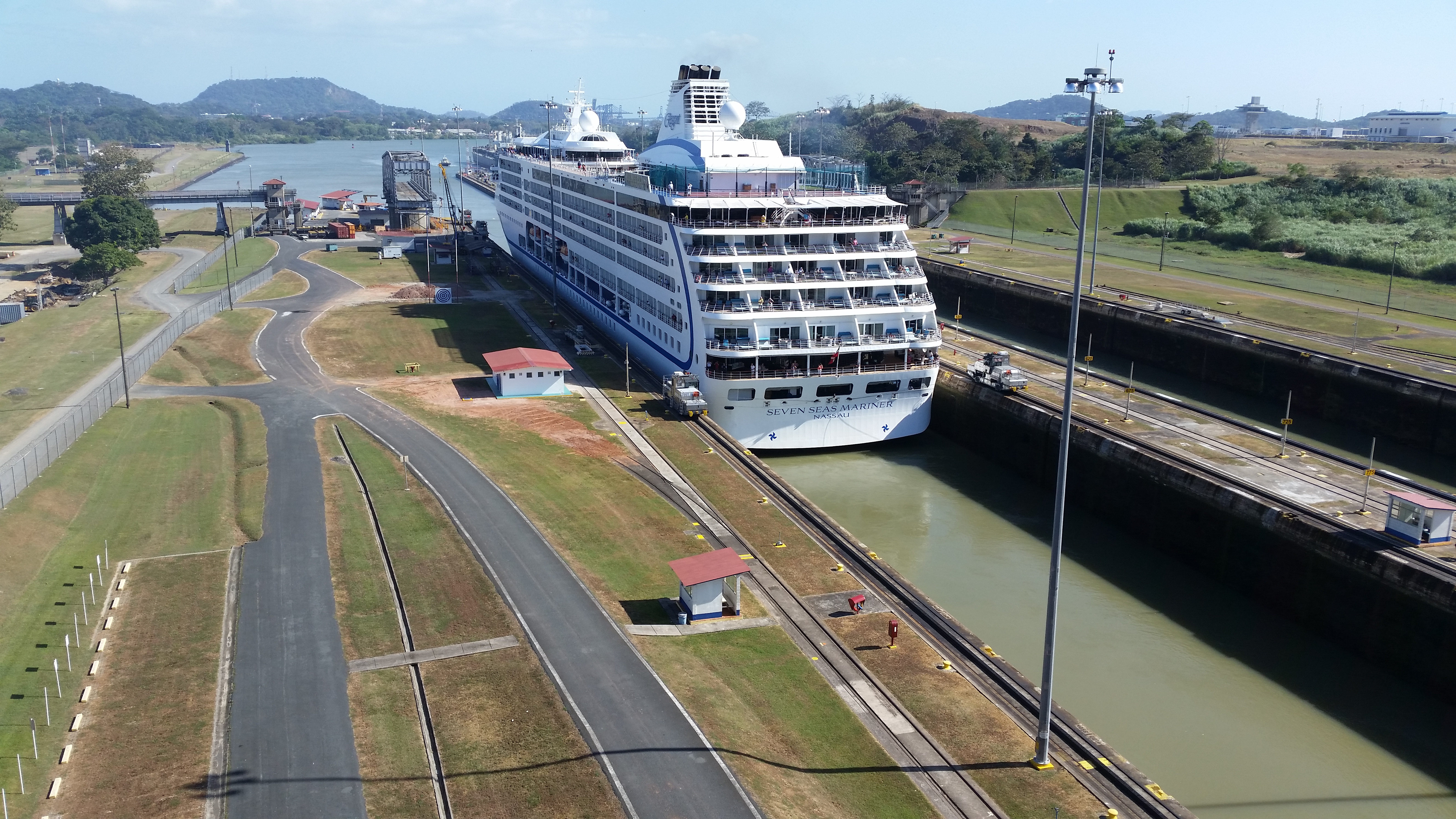
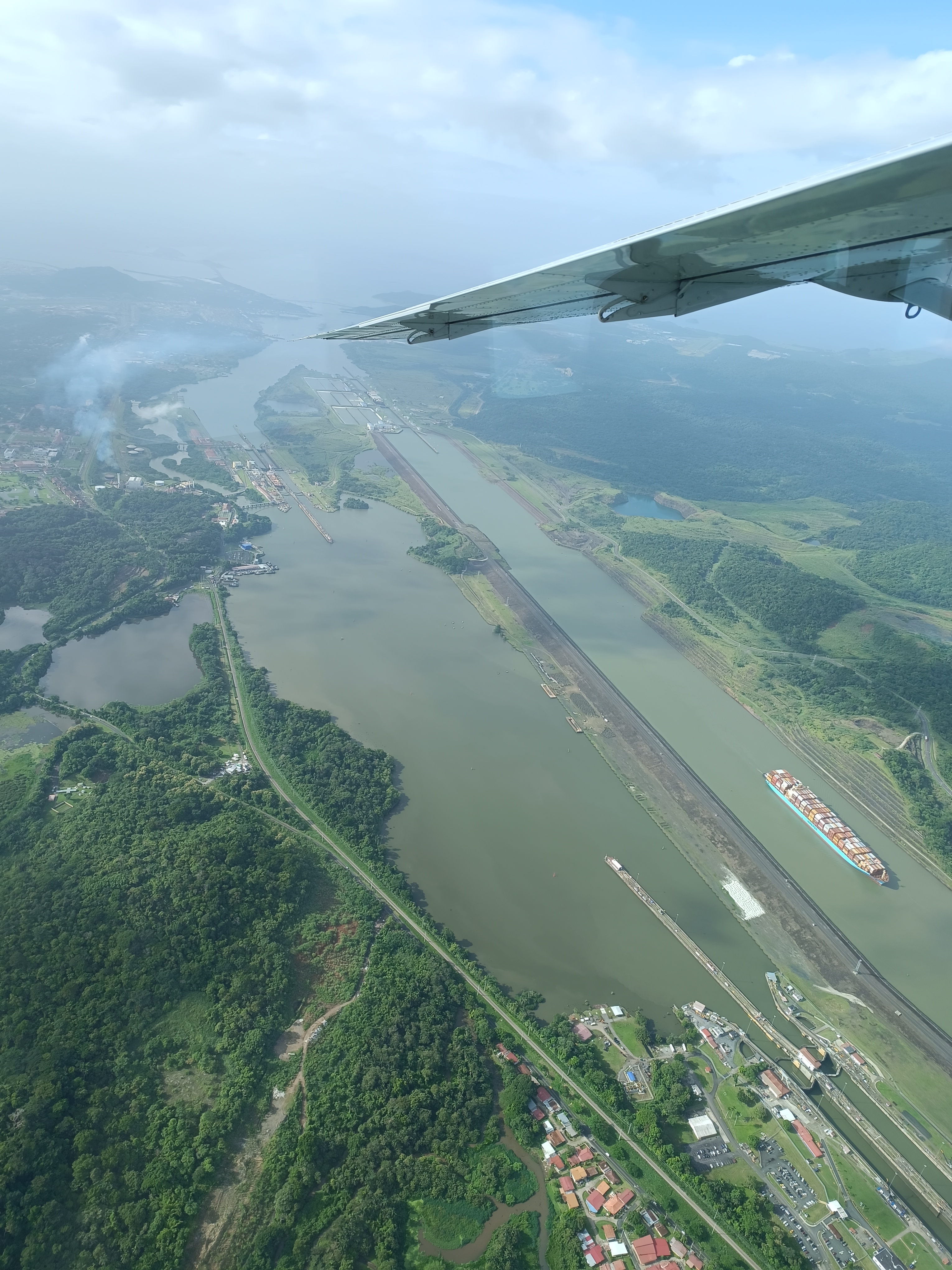
When visiting Parque Nacional Camino de Cruces, visitors can easily explore surrounding historical landmarks and points of interest, including the Panama Canal and Soberanía National Park.

Geographic location: Parque Nacional Camino de Cruces → Panamá → Provincia de Panamá → Panama

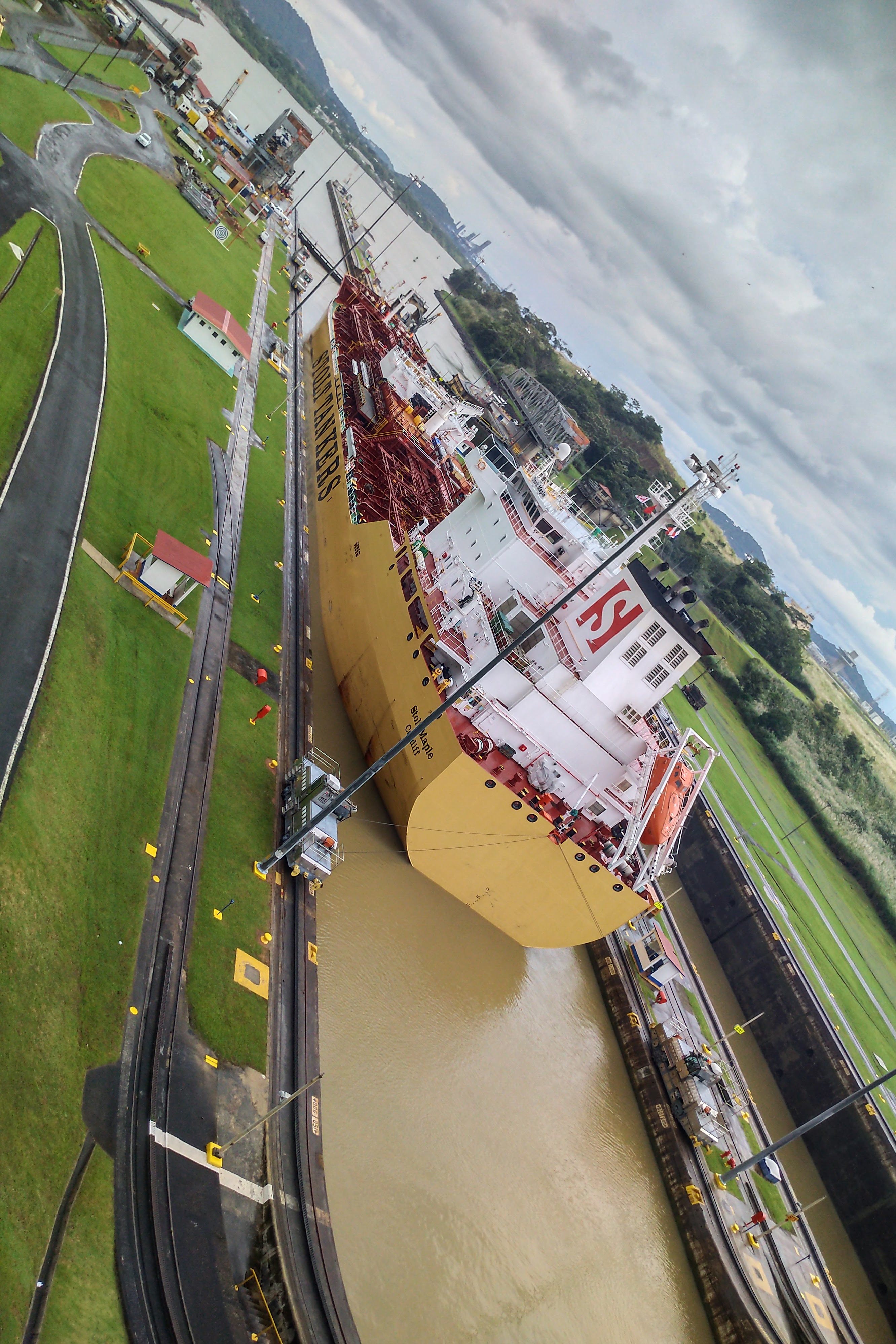
Panama Canal & Miraflores Locks

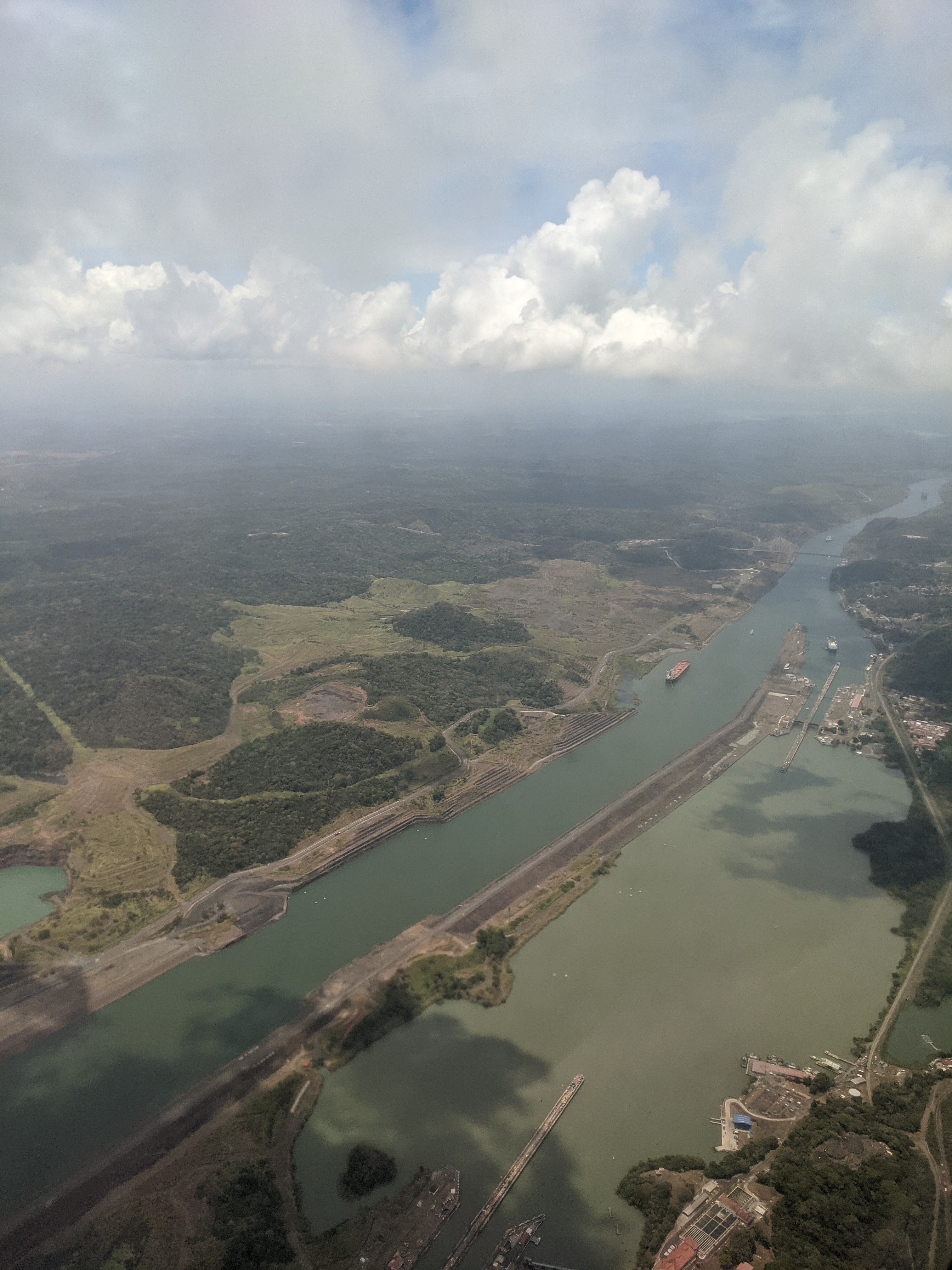
One of the Seven Wonders of the Modern World lies just minutes from the park. From the Miraflores Visitor Center observation deck, watch massive ships rise and lower through the canal locks in real time.

Soberanía National Park

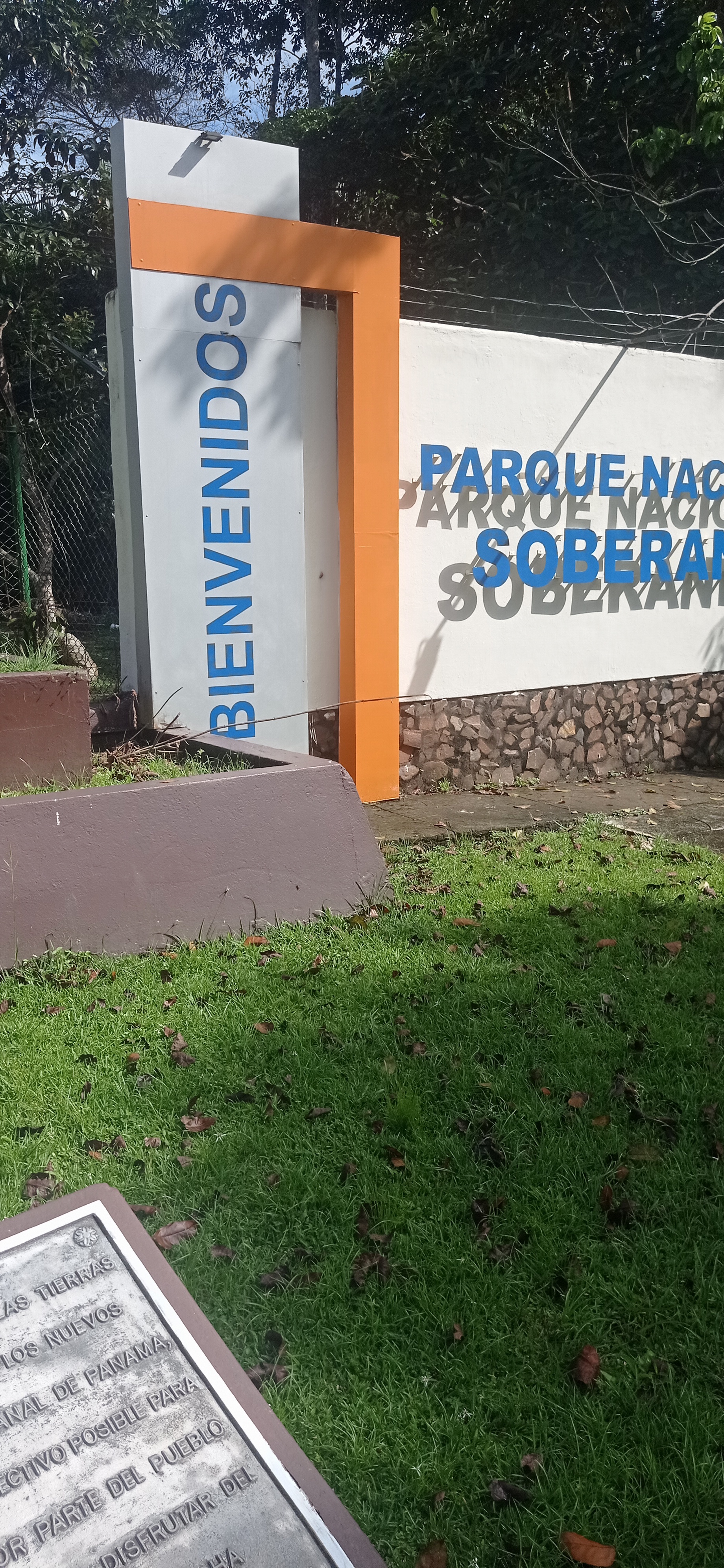
A rainforest reserve that shares the Panama Canal watershed with Camino de Cruces. Famous for birdwatching, its Pipeline Road is one of the best trails in the world for spotting tropical birds.

Gamboa & the Chagres River

The riverside town of Gamboa sits where the canal meets the Chagres River - the modern version of Camino de Cruces' historic water endpoint. Jungle boat tours and canopy bridges are available nearby.

Panamá Viejo (Old Panama Ruins)

The burned 1671 city ruins are where Panama City was born, and Camino de Cruces' Pacific-side story is closely tied to this UNESCO-listed historic site.

Basic Information

Official Name

Parque Nacional Camino de Cruces

Attraction Type

National Park

Country

Panama

Province

Panama Province

Plus Code

2CH7+X8V

Google Rating

4.5/5 (5,786)

Address

2CH7+X8V, Panamá, Provincia de Panamá, Panama

Live Weather & Multi-Day Forecast

This tropical rainforest park has fast-changing weather. Check the temperature and rain chance before you head out, and pack an umbrella.

Loading local weather…

Species Archives

Within this 9,000-acre tropical forest reserve live countless amazing plants and animals. Here are the natural survival rules of some iconic species:

Blue Morpho Butterfly

Morpho peleides

Their massive blue wings aren't made of pigment, but use microstructures to refract light. This "structural color" makes them flash dazzlingly as they navigate the rainforest, effectively confusing predators.

Mantled Howler Monkey

Alouatta palliata

Their hyoid bone has evolved into a resonating chamber, allowing their howls to travel up to 3 miles (about 4.8 km) through the dense rainforest, primarily used to mark territory and avoid inter-group conflicts.

Brown-throated Sloth

Bradypus variegatus

The ultimate energy savers. Their fur often hosts symbiotic green algae, which not only provides excellent camouflage in the rainforest canopy but even supplements them with trace nutrients.

Chestnut-mandibled Toucan

Ramphastos swainsonii

While their large, brightly colored beaks look heavy, the inside is spongy and exceptionally light, serving not just as a feeding tool but as an excellent radiator to regulate body temperature in the tropical rainforest.

Historical Lore & Timeline

16th Century

16th Century - Lifeline of Gold & Pirates

Spaniards lay cobblestone trail

The Spanish laid this cobblestone path to transport South American gold, silver, and other colonial wealth. In 1671, the notorious pirate Henry Morgan used this hidden rainforest shortcut to successfully bypass the main Spanish defenses, ultimately sacking and burning Panamá Viejo.

19th Century

19th Century - The Cruel Reality of the Gold Rush

Crossing the rainforest

Before the Panama Canal was built, thousands of American prospectors (49ers) trekked this "shortcut" to reach California. Explorer diaries from the time record how they battled cholera, yellow fever, and extreme rainforest humidity here, with many failing to complete this heavy lifeline.

20th Century & Beyond

20th Century & Beyond - National Park Established

Protection of ecology and history

With rising environmental awareness, the area was established as a national park to protect its rich rainforest biodiversity and precious historical and cultural heritage.

1671

Henry Morgan Burns Panama City and the Road Declines

Panamá Viejo · Old Panama Ruins

In 1671 the Welsh privateer Henry Morgan led his men across the isthmus, sacked Panama City and burned it to the ground. Afterward the Spanish Crown shifted trans-isthmian trade back to Portobelo on the Caribbean coast, and the Camino de Cruces fell into disuse. The jungle reclaimed the cobbled road, leaving only the legend of a road leading to a lost city until archaeology and conservation brought it back to life.

Legends & Folklore

For centuries people have passed down stories about this ancient road. Some say the amount of gold and silver moved across the isthmus in colonial times was so great that treasure hastily hidden in rock crevices and old river ports by merchant trains still sleeps in the jungle, waiting to be found. Others believe that on misty mornings, near old stone bridges and abandoned way stations, one can glimpse the silhouettes of porters and mule trains. Most of these tales belong to folklore and lack direct historical evidence, yet they tie the Camino de Cruces tightly to Panama's collective memory. Listening to them with both care and wonder is one of the best ways to enter the cultural depths of this park.

Visitor Guide Recommendations

Visitors can enter through the main park entrance, obtain a map, and learn about the park's historical background; then hike along the original 16th-century cobblestone trail to experience the colonial transportation hub; if you have enough time, you can observe the rich tropical rainforest ecosystem and look for wildlife like howler monkeys and sloths. Finally, rest at the park's viewpoints to feel the perfect intersection of Panama's wild nature and historical heritage.

Tour Route

The ideal route to explore Parque Nacional Camino de Cruces:

1

Enter from the main entrance, get a map and understand the park's historical background.

2

Hike along the historic trail and feel the transportation route during the colonial period.

3

Observe the rich tropical rainforest ecosystem, watch for various birds and plants.

4

Rest at viewpoints inside the park and enjoy the beautiful scenery of nature.

Additional Tour Tips

  • It's recommended to go during the day when the light is best, suitable for taking photos and observing wildlife.
  • You can combine your visit with nearby historical attractions like Panama Canal.
  • Please respect the natural environment, keep the park clean, and do not disturb wildlife.

Hiking Trails & Routes

The park protects the historic Camino de Cruces plus rainforest trails for every level. These are the main trails to plan your hike around:

Camino de Cruces Trail (Historic Path)

  • Difficulty: Moderate to Hard
  • Length: ≈ 10 km (one way)
  • Time: 4-6 hours (one way)

The park's signature trail: it follows the original 16th-century cobblestone road that linked Panamá La Vieja with Venta de Cruces on the Chagres River near Gamboa. You walk on living history while the forest echoes with howler monkeys, toucans and sloths. A good fitness level is required and a local guide is highly recommended.
El Pescador Trail

  • Difficulty: Easy to Moderate
  • Length: ≈ 3 km
  • Time: 1-2 hours

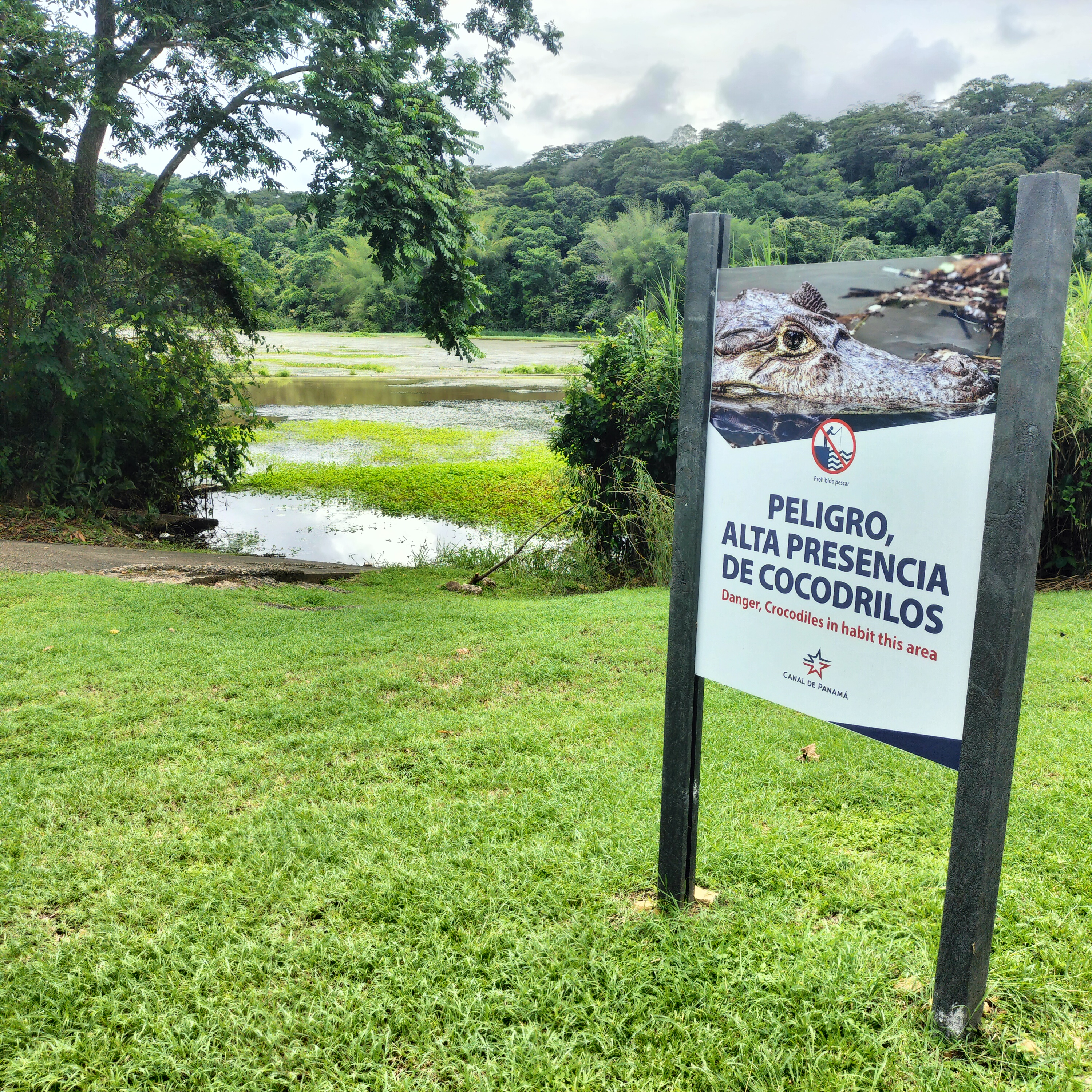
A short, mostly shaded route that descends to the riverbank, ideal for birdwatching and resting in the rainforest. Swimming is prohibited because of crocodiles and snakes.

Spectacled Owl Trail (Búho de Anteojos)

  • Difficulty: Moderate
  • Length: ≈ 2 km
  • Time: 1-1.5 hours

A compact trail with some steep sections, perfect for birders and named after the spectacled owls that live in the forest. No previous experience is required.

Nearby trails in the Canal watershed

The historic trail network continues beyond the park borders. In neighbouring Soberanía National Park you can extend your adventure on the world-famous Pipeline Road for birdwatching, or on the short, family-friendly Sendero El Charco, just a short drive from Panama City. Location & Map

Distances and times are indicative. Check current trail conditions at the park office before heading out and consider hiring a local guide.

Opening Hours

Park Opening Hours

Daily 08:00 - 16:00

Best Time to Visit

Dry Season (December-April)

Rainy Season (May-November)

May-Nov: The trail is extremely slippery in the rainy season, and afternoon showers are common. Early morning visits are recommended.

Entry Time Notice

Since completing the hike takes 4-6 hours, park rangers usually prohibit new hikers from entering after 1:00 PM or 2:00 PM to prevent people from getting stranded in the rainforest after dark.

We strongly recommend entering early in the morning for the safest and most immersive adventure.

Practical Exploration Guide

🐕 Pet Policy & Precautions

Dogs are allowed in the park. However, due to the pristine rainforest environment, please keep them on a leash at all times to avoid disturbing wildlife like howler monkeys and toucans. It is recommended to treat your dog for ticks beforehand and bring plenty of water for them.

🥾 Real Trail Conditions & Geological Tips

The trail base is primarily composed of 16th-century river cobblestones. During the rainy season (May-Nov), massive rainfall makes the moss-covered stones exceptionally slippery. The dry season (Dec-Apr) offers better conditions, but high heat and humidity remain a physical challenge.

⛰️ Hiking Difficulty Rating

Difficulty Rating: Moderate to Hard (depending on the season). Total length is about 10 km (one way) with an elevation gain of around 200 meters. Completing the classic crossing typically requires 4-6 hours of precise time, so please manage your stamina accordingly.

Practical Information & Ticket Guide

🎟️ Ticket Prices (Advance Purchase Required)

Foreign Adult Tourists$5.00 USD
Nationals & Residents$3.00 USD
Students & Retirees$1.00 USD
Children under 12Free

📱 Booking & Entry Information

Important: Cash is usually not accepted at the park entrance. Visitors must book in advance through the Ministry of Environment (MiAMBIENTE) Official Booking Site to pay online and generate an entry QR code. Rangers at the entrance will scan your QR code.

🅿️ Parking & Facilities

Free open-air parking is available at the park entrance. Because this is a pristine tropical rainforest reserve, there are no kiosks or restaurants inside. Please make sure to bring plenty of drinking water (at least 1.5 liters per person recommended) and energy snacks.

Visitor Services & Nearby Facilities

We list common facility types around the park from a neutral standpoint as a reference only: no specific businesses are recommended and no commercial sponsorship is involved. Please always check on-site conditions.

Tip: facilities inside this tropical park are basic. Bring drinking water, sunscreen and insect repellent, and plan your supplies ahead.

Restrooms

Basic public restrooms are available near the main entrances; they are limited and simple, so bring your own tissue and hand sanitiser.

Parking

Parking areas exist near the entrances and can fill up in high season. Arrive early, lock your car and never leave valuables inside.

Dining options

There are no large restaurants inside the park; typical options are small stalls offering local snacks, drinks and light meals, or you can bring your own picnic.

Accommodation options

For multi-day trips, surrounding areas offer eco-lodges, jungle inns, hostels and chain hotels. Book ahead according to your budget.

Grocery stores & convenience shops

Before heading out, stock up on water, snacks and repellent at supermarkets or convenience stores in nearby towns such as Gamboa or Ancón.

Fuel stations

The nearest fuel stations are on the main roads towards Gamboa or Panama City; fill your tank before you go.

EV charging

Some fuel stations along the main roads have EV charging bays; check availability with a navigation app before departing.

Medical & first aid

No medical facilities exist inside the park. In an emergency call 911; carry your usual medication and a personal first-aid kit. Major hospitals are in Panama City.

Mobile & connectivity

Phone signals are weak or absent across most of the park. Download offline maps and tell someone your itinerary before you enter.

Transportation

From the Airport

About 30 minutes drive from Tocumen International Airport (PTY). Renting a car or taking a taxi is recommended.

Driving

Located in Panama Province. Simply input 'Parque Nacional Camino de Cruces' in navigation. Parking available at park entrance.

Public Transport

Take Panama City buses to nearby area, then take a taxi or walk to park entrance.

Joining a Tour

You can join a tour group from Panama City to the national park, hassle-free.

Other Tips

Self-driving or joining a tour group recommended. The park is suitable for hiking and exploration.

Travel Tips

Parque Nacional Camino de Cruces is an important place to experience Panama's nature and history. Visiting during daytime is recommended, wear comfortable hiking shoes.

Visitor Reviews

Review information can be viewed via Google Maps (external link).

C
Carlos M.
1 month ago

Beautiful national park with rich biodiversity. The historic trail is very interesting, ideal for hiking.

M
María L.
2 weeks ago

Amazing natural scenery. The park is well-maintained, excellent for bird watching and ecological observation.

R
Roberto S.
3 months ago

Very good national park. Suitable for hiking and exploring nature, you can feel Panama's rich natural landscapes.

A
Ana P.
Over 6 months ago

Panama's natural gem. The park has important historical value, excellent for understanding Panama's history and culture.

J
Juan A.
1 year ago

Great place for ecotourism. You can hike here, feel the charm of tropical rainforests, and experience Panama's natural beauty.

S
Sofía R.
Over 6 months ago

Beautiful national park, full of Panama's natural charm. An important stop on your Panama trip, definitely worth experiencing.

M
Miguel T.
2 months ago

Interesting historical park. You can experience Panama's history and culture up close. Daytime visits recommended for the best experience.

L
Laura G.
2 months ago

Panama's natural gem. Camino de Cruces National Park is an important place to understand Panama's nature and history.

Location & Map

2CH7+X8V, Panamá, Provincia de Panamá, Panama

For official updates and regional tourism information, visit Panama Tourism Authority (Visit Panama) - Camino de Cruces National Park page.

Frequently Asked Questions (FAQ)

Foreign adult tickets are $5.00 USD, national residents are $3.00 USD, students and retirees are $1.00 USD, and children under 12 are free. Please ensure you purchase tickets online in advance through the official MiAMBIENTE website.

Sources & References

The address, rating and review count on this page come from the 'Parque Nacional Camino de Cruces' Google Maps business profile; ticket, management and opening-hour information comes from official Panamanian government (.gob) channels; historical and ecological content is based on public records from official institutions.